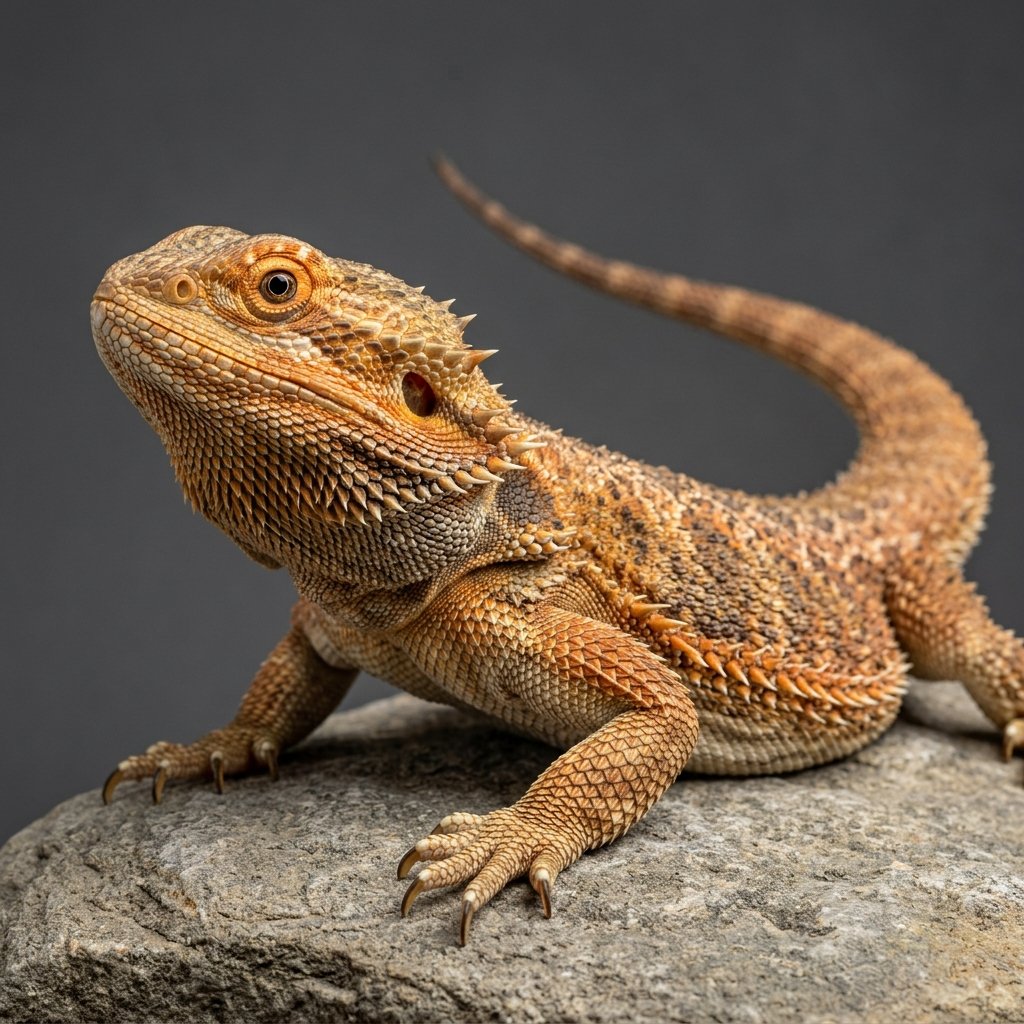
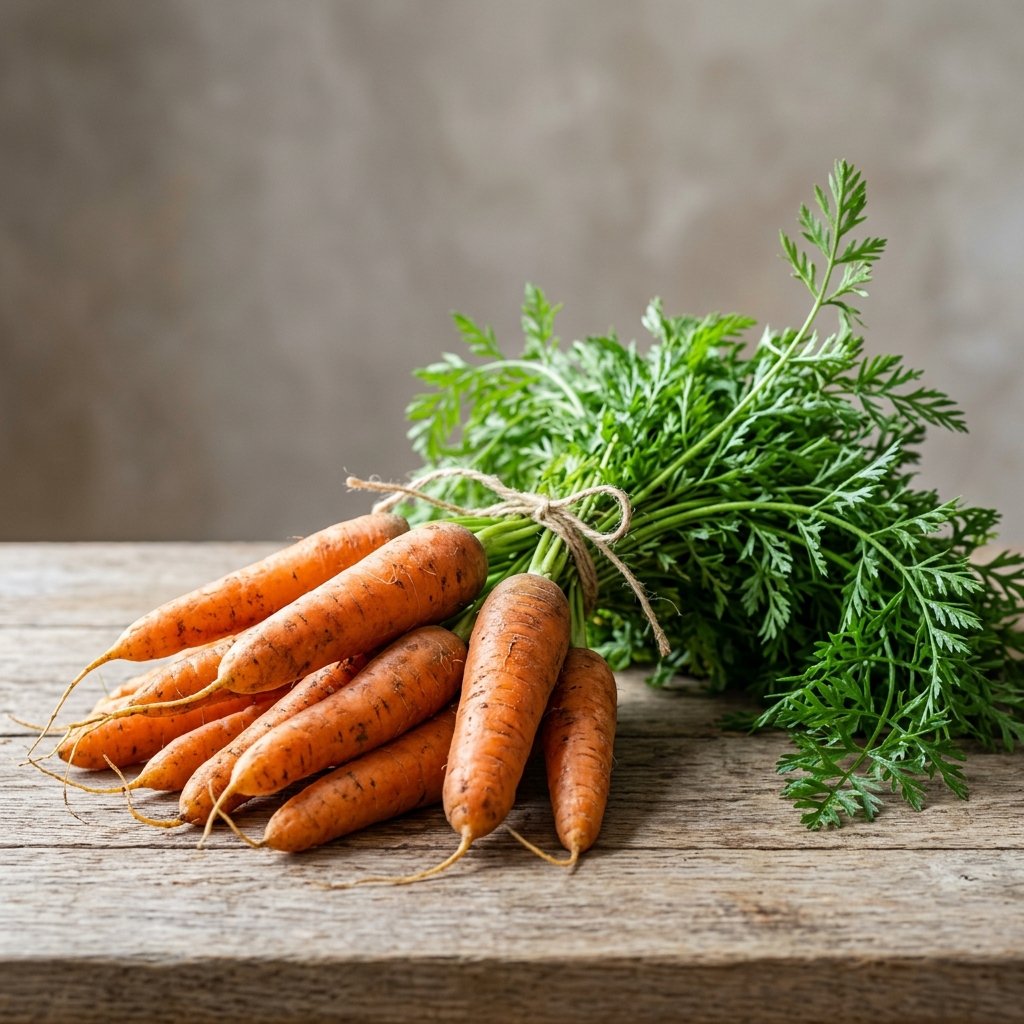
⚡ Quick Clinical Verdict
Carrots are an excellent low-calorie treat rich in Vitamin A and beta-carotene. High natural sugar means they should be occasional treats rather than staple food.
🩺 Veterinarian Clinical Perspective
While the root is safe, carrot tops are extremely high in calcium. This is great for growing pets but can cause bladder stones in adult rabbits and guinea pigs if fed in excess. Always wash tops thoroughly.
⭐ Clinical Veterinary Nutritional Scorecard
Our veterinary team has evaluated Carrots for Bearded Dragons across 5 clinical health pillars:
⚖️ Safe Serving Sizes & Frequency
⚖️ Weight-Based Portion & Dosage Matrix
Exotic animal nutrition relies heavily on weight proportionality. What represents a tiny fingernail-sized bite for an adult human is equivalent to an entire dinner plate for a small Bearded Dragon. Use the interactive calculator and review the feeding guidelines below:
| Weight Category | Max Safe Serving Size | Feeding Frequency | Daily Caloric Share |
|---|---|---|---|
| Dwarf / Tiny (< 100g) | 1–2 grams (Size of a green pea) | Once every 7–10 days | < 3% Max |
| Small (100g – 500g) | 3–5 grams (Size of a dime slice) | 1–2 times weekly | < 5% Max |
| Medium (500g – 2kg) | 8–12 grams (Quarter-sized cube) | 2 times weekly | < 5% Max |
| Large (2kg+) | 15–25 grams (Thin 1-inch slice) | 2–3 times weekly | < 10% Max |
💡 Micro-Serving Introduction Rule: The first time you offer Carrots to your Bearded Dragon, offer only 25% of the standard portion. Monitor their stool firmness for 24 hours before making it a regular supplemental treat.
🔬 Toxicology & Chemical Hazard Analysis
🔬 Veterinary Toxicology & Compound Breakdown
When evaluating whether Carrots is toxic to Bearded Dragons, exotic animal veterinarians assess molecular defense mechanisms, secondary plant metabolites, and how the Bearded Dragon's specific metabolism processes foreign phytochemicals.
Carrots contains no intrinsic cyanogenic glycosides, solanine, or methylxanthines dangerous to Bearded Dragons. Their digestive enzymes break down its fiber and carbohydrates naturally without systemic toxicity.
- 0–2 Hours: Pawing at mouth, salivation, or food refusal.
- 2–6 Hours: Watery stools, tummy bloating, or posture hunching.
- 6–24 Hours: Lethargy, hypothermia, or reduced cecotrope output.
🥗 Preparation Guide: Raw vs. Cooked
🥗 Raw Feeding & Bioavailability Comparison
In the wild, Bearded Dragons forage exclusively on unheated foods. Serving raw Carrots offers clear biological advantages alongside specific sanitation rules:
- Heat-Labile Vitamins: 100% of natural Vitamin C and bioflavonoids remain intact.
- Dental Wear: Natural cellular turgidity requires chewing, helping grind down open-rooted teeth.
- Active Digestive Enzymes: Raw plant enzymes assist microflora breakdown in the gut.
- Vinegar/Water Rinse: Wash thoroughly to remove agricultural waxes, fungicides, and sprays.
- Room Temperature: Never serve straight from the refrigerator to avoid gastrointestinal chills.
- Core & Seed Removal: Ensure all bitter pits or cyanide-containing seeds are eliminated.
🍳 Cooked Carrots: Culinary Rules & Safety Warnings
While cooking softens plant cell walls and can eliminate bacterial spores, it significantly alters how Bearded Dragons digest their food:
Crucial Culinary Restriction: If you choose to offer cooked Carrots, it must be exclusively plain steamed or boiled in pure water. Never use butter, cooking oils, table salt, pepper, garlic, or onions. Oils trigger acute pancreatitis in small mammals, and alliums (onions/garlic) cause hemolytic anemia.
Notice that cooked food becomes soft, meaning it provides zero mechanical dental abrasion. For small pets whose teeth grow continuously, raw remains the preferred presentation.
🍎 Parts Safety: Seeds, Peels & Leaves
⚠️ Choking & Cyanide Hazards of Carrots Seeds
Many fruit seeds (notably apples, pears, peaches, and cherries) contain amygdalin, a cyanogenic glycoside that releases hydrogen cyanide when chewed and broken down by gut enzymes. In addition, hard seeds represent mechanical choking hazards and bowel impactions. Always core and deseed Carrots completely.
🍎 Peel & Skin: Dietary Fiber vs Agricultural Wax
The outer skin of Carrots holds the greatest concentration of beneficial dietary fiber and polyphenols. However, commercial non-organic fruit skins are coated with carnauba or shellac-based food wax to preserve moisture. Scrub with a soft vegetable brush or peel completely if unable to source organic produce.
🌿 Foliage & Green Tops Safety Matrix
The green leaves and tops of Carrots often boast lower sugar and higher insoluble fiber than the root or fruit flesh itself. However, foliage carries a higher accumulation of systemic pesticides. Always wash leaves thoroughly under running lukewarm water before feeding to Bearded Dragons.
🧊 Preserved Forms: Frozen, Dried & Canned
🧊 Summer Enrichment: Feeding Frozen Carrots Safely
While frozen Carrots serves as an enjoyable summer cooling treat, extreme cold can cause sudden esophageal constriction or tooth chipping in small species like Bearded Dragons. Veterinary Tip: Remove the frozen piece from the freezer and let it sit on a clean plate for 8–10 minutes until slightly softened before offering.
☀️ Dehydration Factor: Concentrated Sugars in Dried Carrots
When Carrots is dehydrated, water volume drops by up to 85%, concentrating natural sugars by volume. A single piece of dried Carrots contains the glycemic punch of 4–5 fresh pieces. For pets prone to diabetes (such as dwarf hamsters, degus, and chinchillas), dried fruits should be avoided or restricted to pinhead-sized micro-treats.
🥫 Canned Carrots: Preservative & Sodium Warnings
Commercially canned Carrots is virtually never recommended by veterinary toxicologists for Bearded Dragons. Canned products contain heavy corn syrups, excess sodium benzoate, or artificial preservatives that overwhelm small kidneys. Always opt for fresh, organic whole produce instead.
🚨 Emergency Protocol: Accidental Ingestion
🚨 Immediate Emergency Triage Flowchart
If your Bearded Dragon has eaten Carrots unexpectedly, execute this 4-step emergency triage protocol immediately:
📊 Nutritional Analysis & Biological Context
Knowing what is inside Carrots helps you balance your Bearded Dragon's meals:
| Active Nutrient | Benefit to Bearded Dragons |
|---|---|
| Vitamin A | Keeps your bearded dragon's eyes sharp and their skin healthy. It's like a natural shield for their whole body. |
| Beta-Carotene | Your bearded dragon's body converts this into Vitamin A. It's great for eye health, vibrant fur color, and immune strength. |
| Fiber | Keeps your bearded dragon's tummy moving smoothly and prevents constipation. Think of it as nature's broom for their digestive tract. |
| Potassium | Keeps your bearded dragon's heart rhythm steady and helps their muscles work properly — especially the legs and heart. |
How Their Bodies Process Carrots
As omnivores, bearded dragons have a flexible digestive system that can handle both meat and plant-based foods. This means their bodies are quite good at breaking down a variety of nutrients. When a bearded dragon eats carrots, their body has to decide how to use those specific nutrients. Vegetables like carrots provide 'roughage' or fiber. For many small pets, this fiber is vital for keeping their tummy moving and healthy. However, some veggies have specific minerals (like calcium or oxalates) that need to be limited to prevent bladder or kidney issues.
Clinical Watchlist
Veterinary Watchlist: Even though Carrots is safe, every pet is an individual. The first time you offer it, watch for tummy upset (loose stools), acting tired, or not wanting to eat their normal food. If your Bearded Dragon seems 'off' for more than a few hours, it's best to give your vet a quick call.
Safe Snack Alternatives for Bearded Dragons
Looking for a healthier or lower-sugar alternative? Check these approved guides:
❓ Frequently Asked Questions
-
Can Bearded Dragons eat carrot tops?
Yes, carrot tops are generally safe and lower in sugar than the root — a nutritious bonus treat rich in calcium and Vitamin K. Just watch the calcium levels for adult rabbits. -
Can Bearded Dragons eat baby carrots?
Yes — baby carrots are a convenient size. For very small pets, chop into smaller pieces to prevent choking. -
Are carrots good for Bearded Dragons teeth?
Yes. The natural crunch helps wear down teeth — especially beneficial for rabbits, guinea pigs, and chinchillas whose teeth grow continuously. -
Can Bearded Dragons eat cooked carrots?
Yes, plain steamed or boiled carrots are safe, but they lose some nutritional value compared to raw and have a higher glycemic index. -
Is carrot juice safe for Bearded Dragons?
No. Pure carrot juice is a sugar bomb without the fiber of the whole vegetable. Stick to the whole carrot. -
Can Bearded Dragons eat the skin of the carrot?
Yes, the skin is safe and nutritious. Just scrub it well to remove dirt and any pesticides. -
Is Carrots toxic or dangerous for Bearded Dragons?
No, plain Carrots is non-toxic to Bearded Dragons when fed in recommended portion sizes. However, seeds, stems, or artificial seasonings must always be avoided. -
How much Carrots can Bearded Dragons eat safely?
Feeding quantities must be strictly limited to small supplemental bites (typically under 5% to 10% of their daily caloric intake). Dwarf and small pets should only receive a pea-sized portion once or twice weekly. -
Can Bearded Dragons eat raw or cooked Carrots?
Raw Carrots is generally preferred because it provides natural crunch that helps mechanically wear down their continuously growing teeth. If cooked, it must be plain steamed in water with zero butter, oil, or seasonings. -
What should I do if my Bearded Dragon eats too much Carrots?
Monitor your Bearded Dragon closely for 24 hours on clean white bedding. Check for watery stool, lethargy, or loss of appetite. Ensure plenty of fresh drinking water and quality grass hay. If they exhibit breathing distress or extreme weakness, call an avian or exotic veterinarian immediately.
💡 Holistic Care for Your Bearded Dragon: Proper nutrition is just one pillar of pet wellness. Read our complete How Long Do Bearded Dragons Live? (Lifespan Guide) and consult our Bearded Dragons Symptoms Checker if you detect any changes in behavior or digestion.
More Diet Guides for Bearded Dragons
- Can Bearded Dragons eat Apples?
- Can Bearded Dragons eat Almonds?
- Can Bearded Dragons eat Spinach?
- Can Bearded Dragons eat Chocolate?
- Can Bearded Dragons eat Grapes?
- Can Bearded Dragons eat Celery?
- Can Bearded Dragons eat Broccoli?
- Can Bearded Dragons eat Blueberries?
- Can Bearded Dragons eat Onions?
- Can Bearded Dragons eat Watermelon?
- Can Bearded Dragons eat Watermelon Rind?
- Can Bearded Dragons eat Cantaloupe?
Explore the Complete Bearded Dragons Care Hub
Access all feeding schedules, safe food lists, habitat setups, and veterinary advice in our master guide.
View Full Bearded Dragons Diet GuideCan other pets eat Carrots?
- Can Hamsters eat Carrots?
- Can Gerbils eat Carrots?
- Can Chinchillas eat Carrots?
- Can Rabbits eat Carrots?
- Can Guinea Pigs eat Carrots?
- Can Rats eat Carrots?
- Can Mice eat Carrots?
- Can Dogs eat Carrots?
- Can Cats eat Carrots?
- Can Parrots eat Carrots?
- Can Cockatiels eat Carrots?
- Can Tortoises eat Carrots?
