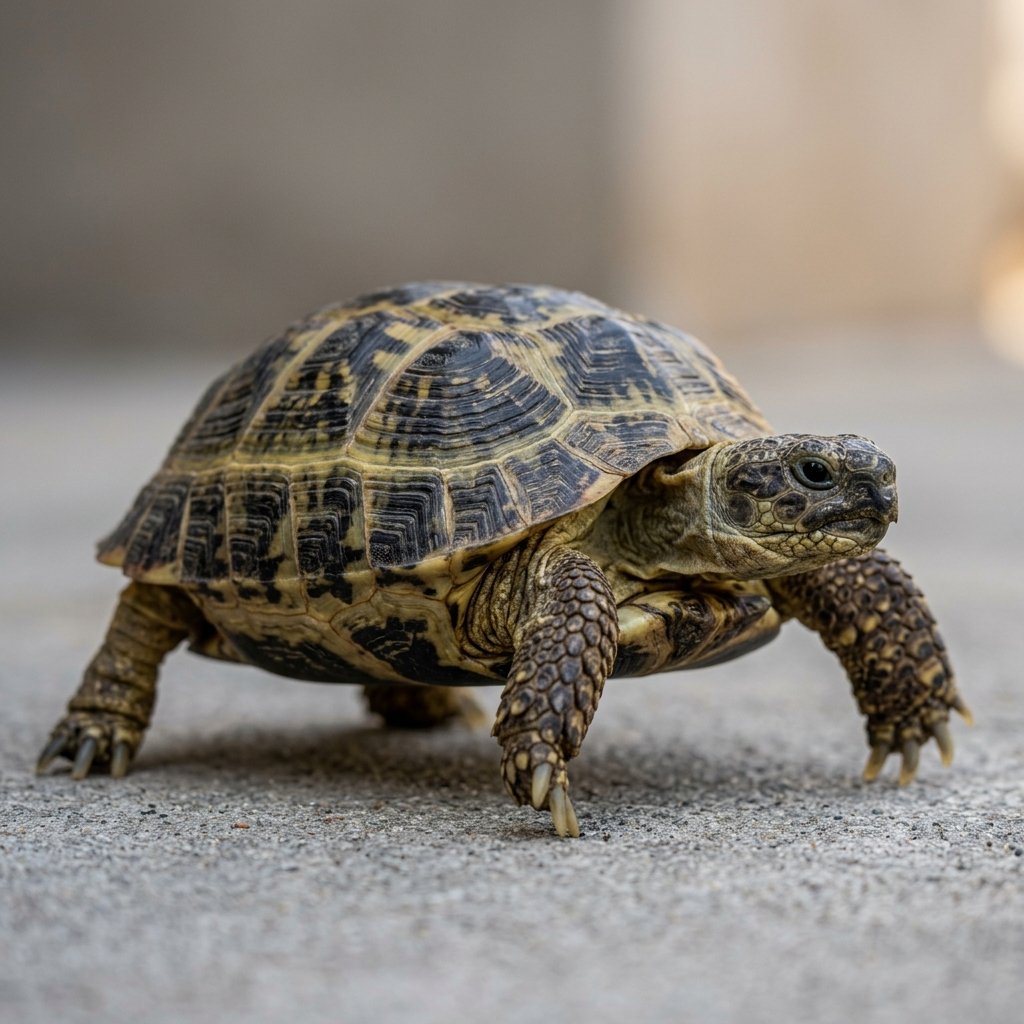
In tortoises, MBD primarily affects the shell and the ability to walk. A soft or "bumpy" shell is a critical warning sign.
💡 Important Nutrition Connection: Symptoms like shell softening & mbd can often be caused by nutritional deficiencies or toxic ingredients. Review our comprehensive Tortoises Diet and Toxin Safety Guide to ensure their daily menu is 100% safe, and double check How Much Does a Tortoise Cost? to plan for veterinary care or specialist check-ups.
👩⚕️ Vet Expert Insights & Care Advice
Seeing shell softening & mbd in your Tortoise can definitely feel scary, but we are here to help you figure out exactly what to do. Because small pets like Tortoise have very tiny, delicate bodies, they can get tired out and weak quite fast when they feel under the weather. This symptom is usually a clear sign that they are in pain or uncomfortable, so they need quick, loving care and attention to help them get back on their feet. As a caring pet parent, watching how they move, keeping their living space clean, and making sure they are happily nibbling on their favorite treats are the most helpful things you can do to keep them safe and comfortable.
🔍 Why Does This Happen? (Possible Causes)
When your pet shows signs of being under the weather, there are usually a few different things that could be causing it. Below is a simple breakdown of the most common reasons why your Tortoise might have shell softening & mbd, so you can understand what is going on:
🏡 Expert Home Care Action Protocol for Tortoise
Immediate Action Step: Correct the UVB lighting immediately. Provide calcium with D3 supplements. Consult a reptile vet for liquid calcium therapy.
- Isolation & Rest: Move your Tortoise to a quiet, dimly lit quarantine cage away from other animals to prevent stress.
- Thermal Regulation: Make sure the room temperature is stable (ideally between 68°F and 75°F) and free of cold drafts.
- Clinical Monitoring Log: Write down when the symptom started, feed intake level, and active hours to help your vet make a fast diagnosis.
🚨 Watch for these Critical Signs
Seek immediate veterinary care if your Tortoise shows any of the following along with shell softening & mbd:
- Soft or flexible shell
- Pyramiding (lumpy shell)
- Weak legs
- Dragging the shell
Correct the UVB lighting immediately. Provide calcium with D3 supplements. Consult a reptile vet for liquid calcium therapy.
Frequently Asked Questions
Medical Disclaimer: This portal is for educational purposes only. It is not a substitute for professional veterinary advice, diagnosis, or treatment. Small pets can hide illness remarkably well; if your Tortoise appears unwell, contact an exotic animal veterinarian immediately.
