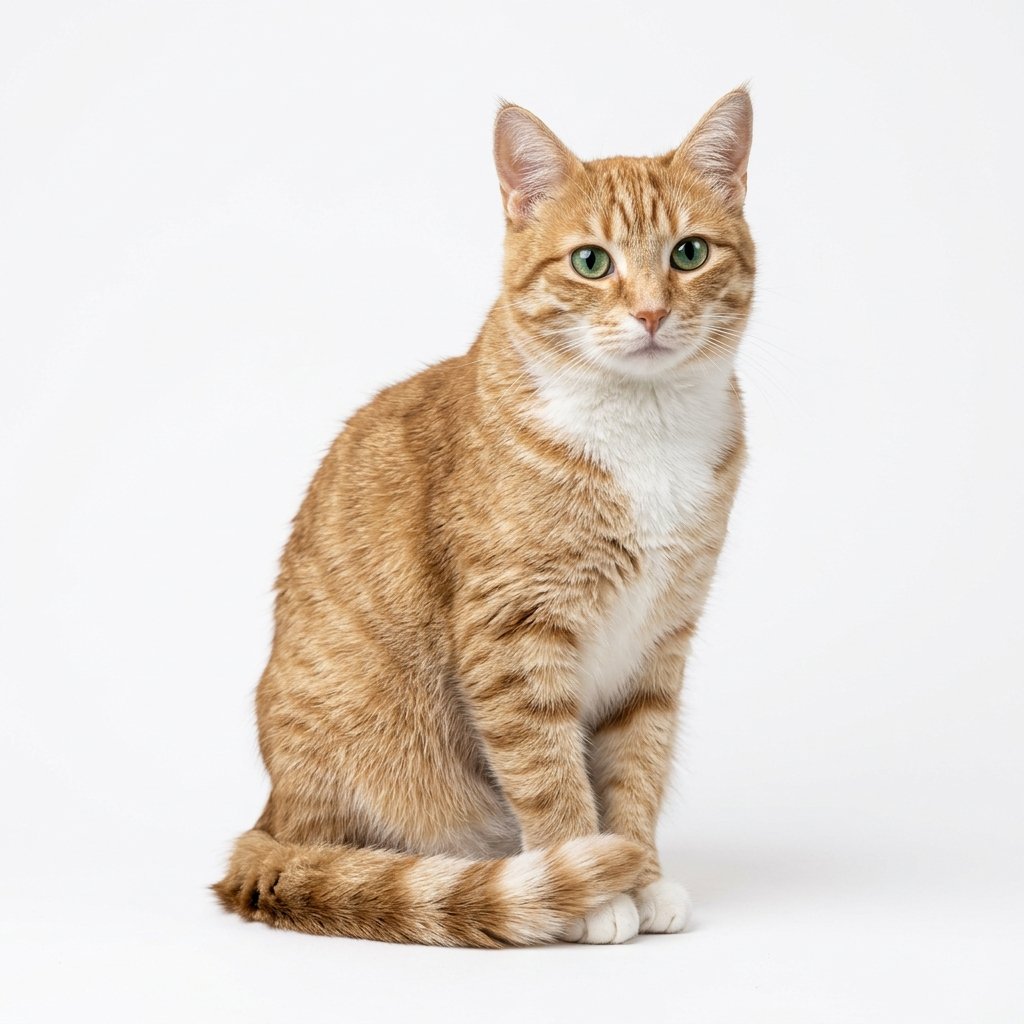

The Friendship Verdict
Ferrets and cats occupy a similar predatory tier, which means they rarely see each other as prey. With careful socialization from a young age, many ferrets and cats develop genuine, playful friendships. However, adult cats with strong hunting backgrounds may see ferrets as prey, and adult ferrets may nip cats aggressively during play.
The Best Way to Meet
Never rush an introduction! To help your Cat and Ferret become friends (or at least share a room safely), follow these simple steps:
-
1Start introductions when both animals are young — a kitten and a kit (baby ferret) socializing together is the ideal scenario.
-
2Use a divider or cage for the first introductions so both can see and smell each other without contact.
-
3Allow brief supervised neutral territory meetings, watching for hard stares (cat) or aggressive lunging (ferret).
-
4Gradually extend contact time as both animals show relaxed body language.
🚨 Signs of Trouble
If you see any of these behaviors while your pets are near each other, separate them immediately.
Cat going into "still hunt" mode — frozen, crouched, ears flat, pupils dilated.
Ferret doing aggressive "war dancing" and biting at the cat's tail or back legs.
Either animal refusing to eat, hiding constantly, or losing weight.
Home & Space Tip: Ferrets should always have a locked, cat-proof enclosure to retreat into. Cats should never be left unsupervised with free-roaming ferrets.
More Friendship Questions
Other Guides for Cats
- 🐹Hamster
- 🐭Gerbil
- 🐰Chinchilla
- 🐶Dog
- 🐾Guinea Pig
- 🐇Rabbit
- 🐀Rat
- 🖱️Mouse
- 🦜Parrot
- 🐤Cockatiel
- 🐢Tortoise
- 🦎Bearded Dragon
- 🦔Hedgehog
- 🐢Turtle
- 🐟Goldfish
