
The Friendship Verdict
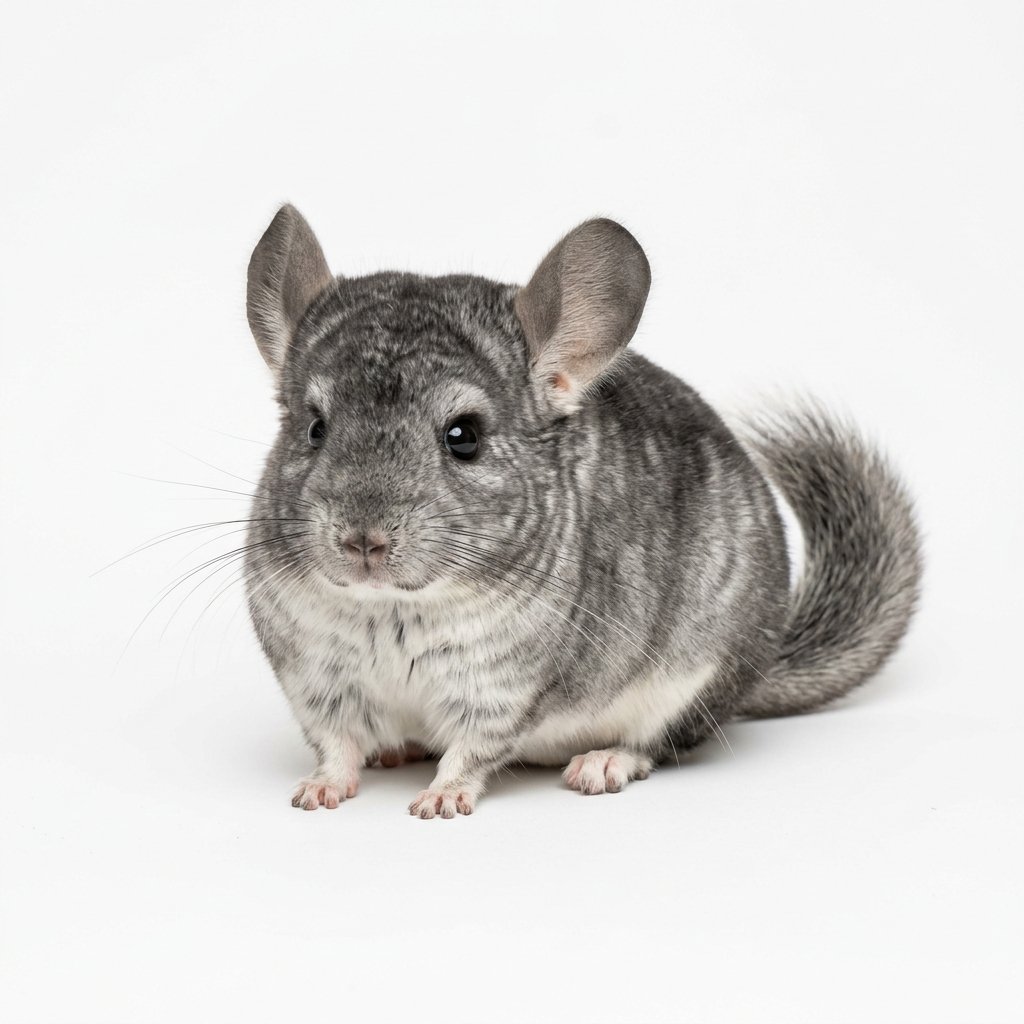
Ferrets are obligate carnivores with a deeply hardwired predatory instinct for small prey animals. Chinchillas, despite their size, are firmly in the prey animal category. Even the scent of a ferret can cause severe, chronic psychological stress in chinchillas, manifesting as fur-chewing, self-harm, and immune suppression. Physical contact will be immediately fatal to the chinchilla.
The Best Way to Meet
Never rush an introduction! To help your Chinchilla and Ferret become friends (or at least share a room safely), follow these simple steps:
-
1Complete and permanent physical separation is the only safe approach.
-
2House them in completely different rooms with closed doors.
-
3Never allow ferret free-roam in any room where chinchilla scent exists.
🚨 Signs of Trouble
If you see any of these behaviors while your pets are near each other, separate them immediately.
Chinchilla fur-chewing, stress bars on fur, or unusual hiding behavior from scent exposure alone.
Ferret fixating on the door of the chinchilla's room or cage area.
Home & Space Tip: Ferret free-roam rooms should be entirely separate from chinchilla housing. The lingering body scent of ferrets acts as a permanent stressor.
More Friendship Questions
Other Guides for Chinchillas
- 🐹Hamster
- 🐭Gerbil
- 🐱Cat
- 🐶Dog
- 🐾Guinea Pig
- 🐇Rabbit
- 🐀Rat
- 🖱️Mouse
- 🦜Parrot
- 🐤Cockatiel
- 🐢Tortoise
- 🦎Bearded Dragon
- 🦔Hedgehog
- 🐢Turtle
- 🐟Goldfish
