The Friendship Verdict
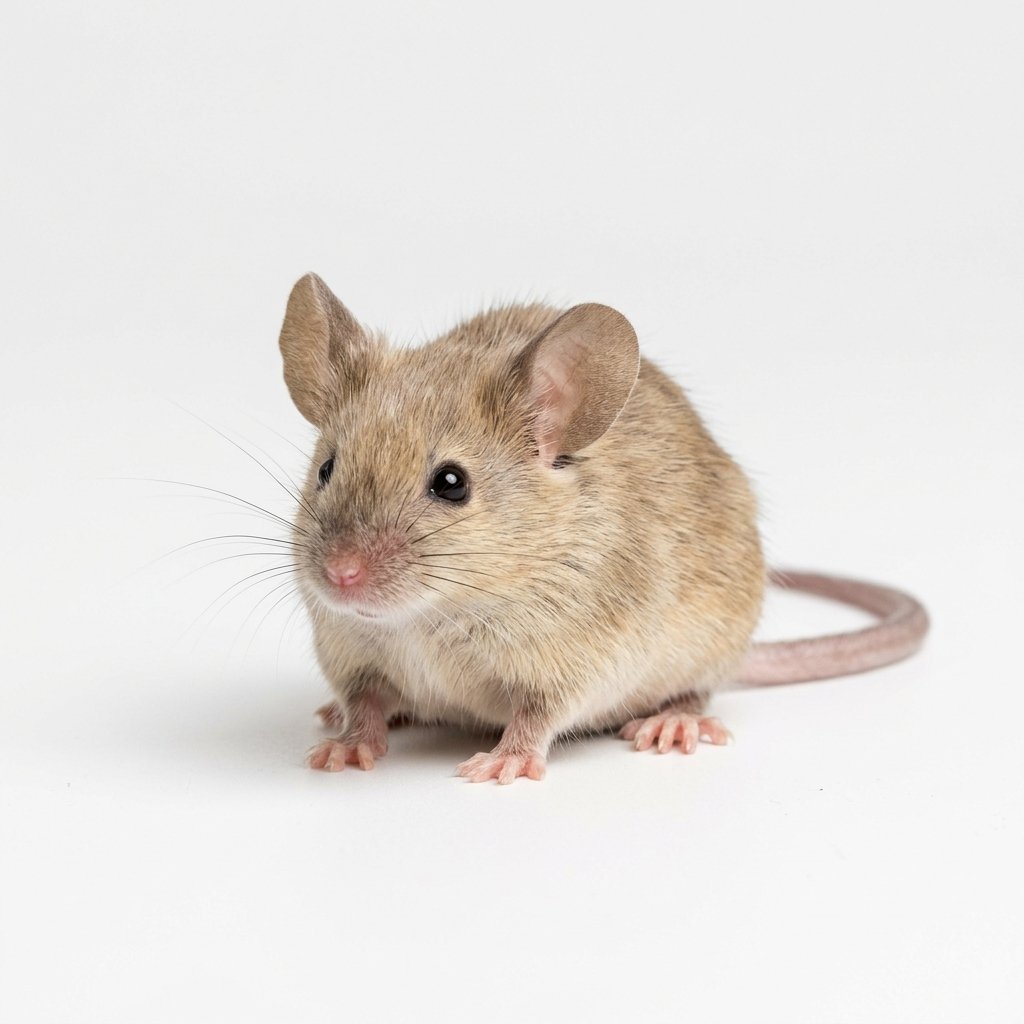
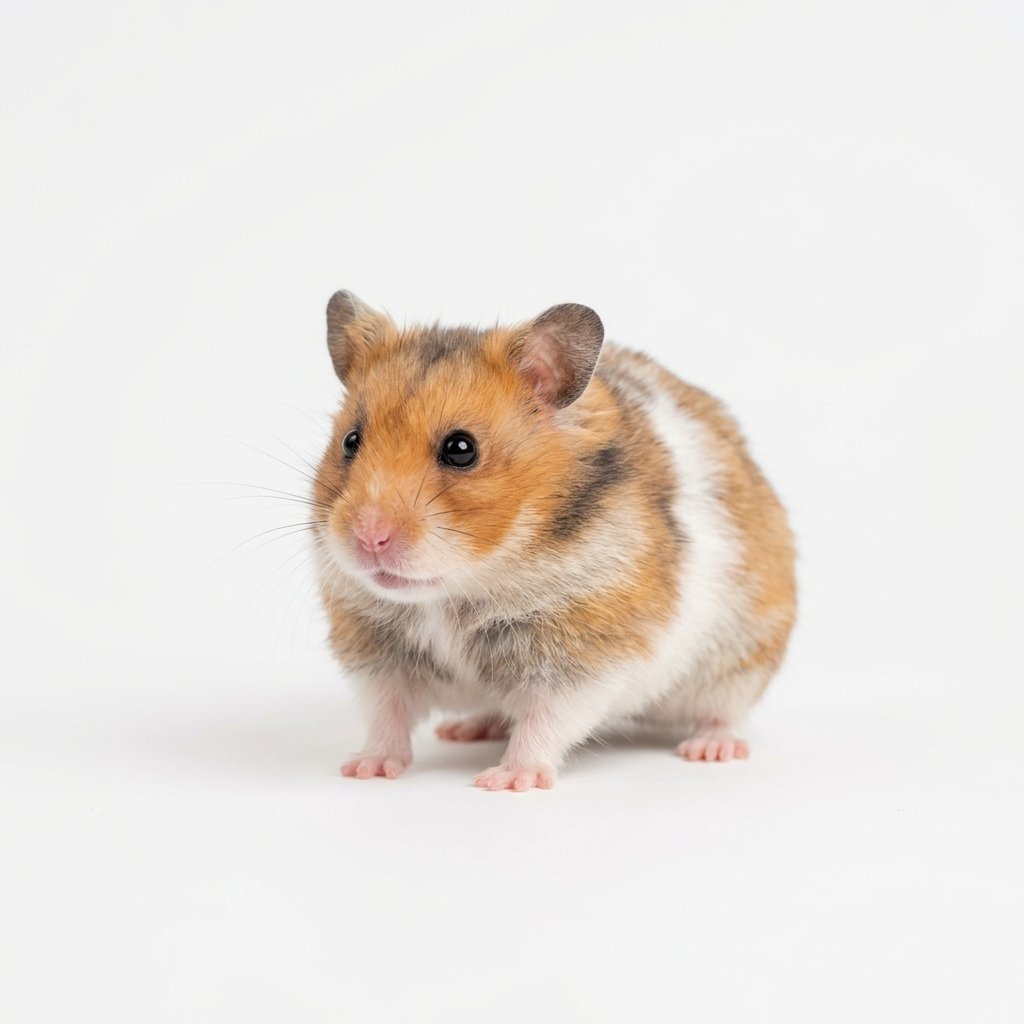
Despite being superficially similar, mice and hamsters are biological competitors in the wild. Hamsters are aggressive, territorial animals that will viciously attack mice on sight. Hamsters can kill mice considerably larger than themselves using their teeth and cheek-pouch-powered bites. Both species also carry different bacteria that can be harmful when transmitted to the other, including Pasteurella and Staphylococcus strains.
The Best Way to Meet
Never rush an introduction! To help your Mouse and Hamster become friends (or at least share a room safely), follow these simple steps:
-
1Never place mice and hamsters in the same cage or play area.
-
2House in separate enclosures ideally in different rooms.
-
3Wash hands between handling both species.
🚨 Signs of Trouble
If you see any of these behaviors while your pets are near each other, separate them immediately.
Hamster standing upright, hissing, or stuffing cheeks aggressively (pre-attack behavior).
Mouse freezing, pressing against the cage wall, or trembling.
Home & Space Tip: Even wheel-time in the same play enclosure at different times is risky due to scent marking — each species's scent causes stress in the other.
More Friendship Questions
Other Guides for Mice
- 🐭Gerbil
- 🐰Chinchilla
- 🐱Cat
- 🐶Dog
- 🐾Guinea Pig
- 🐇Rabbit
- 🐀Rat
- 🦜Parrot
- 🐤Cockatiel
- 🐢Tortoise
- 🦎Bearded Dragon
- 🦦Ferret
- 🦔Hedgehog
- 🐢Turtle
- 🐟Goldfish
