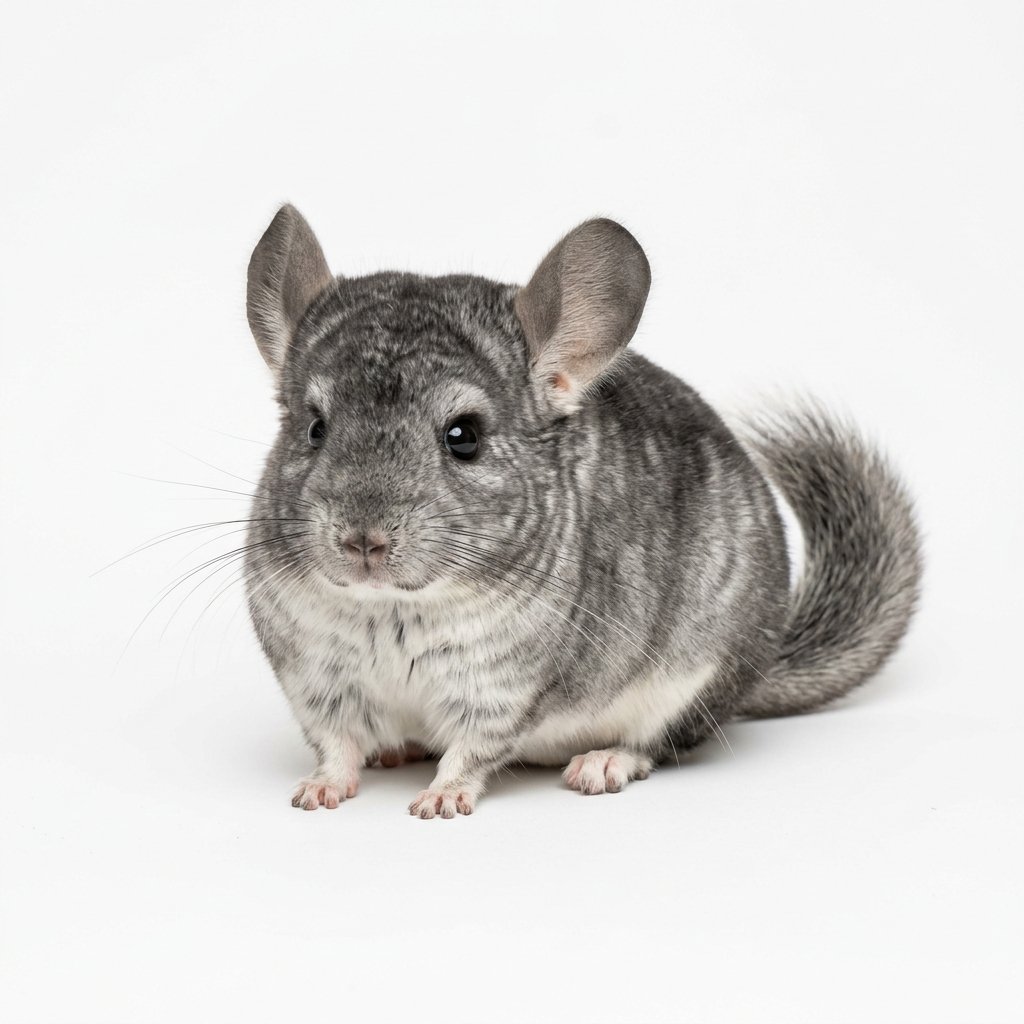

Related Almonds Topics for Chinchillas
The Expert Verdict
💡 Specific Prep Tip: While the fruit of the Almonds plant is sweet, the leaves are often bitter and high in tannins. Some pets enjoy this variety, but ensure the leaves are not from a plant treated with systemic insecticides.
💡 Specific Prep Tip: While the fruit of the Almonds plant is sweet, the leaves are often bitter and high in tannins. Some pets enjoy this variety, but ensure the leaves are not from a plant treated with systemic insecticides.
💡 Taking holistic care of your Chinchilla: Proper nutrition is just one part of keeping your pet healthy. Be sure to check the How Long Do Chinchillas Live? (Lifespan Guide) to understand their aging requirements, and read our comprehensive Chinchillas Symptoms Checker if you notice any sudden behavioral or physical changes.
What's Inside? (Healthy Stuff)
Knowing what's in Almonds helps you keep your Chinchilla's diet balanced. Here are the main vitamins and minerals found in this food:
| Healthy Part | How it Helps Your Chinchilla |
|---|---|
| Vitamin E | Acts as a natural antioxidant that protects your chinchilla's cells from everyday damage — great for skin and fur health. |
| Magnesium | Helps over 300 tiny reactions in your chinchilla's body run smoothly, from muscle movement to energy production. |
| Healthy Fats | Provides long-lasting energy and is the secret to a glossy, soft coat. The key is moderation — too much causes weight gain. |
How Their Bodies Use It
Because chinchillas are herbivores, their entire digestive system is built to process tough, fibrous plants. They rely on a complex gut to turn fiber into energy. When a chinchilla eats almonds, their body has to decide how to use those specific nutrients. Nuts are very dense in fats and oils. While a tiny bit might be okay for some, chinchillas can easily get an upset stomach or even a stressed liver if they eat too many fatty foods at once.
How to Serve It Safely
If you decide to give Almonds to your pet, here is the safest way to prepare it:
- Wash it very well to remove any dirt or sprays (pesticides) from the farm.
- Start with a tiny 'tester' piece to make sure it doesn't upset their stomach.
What to Watch Out For
Pro Tip: If your Chinchilla eats Almonds, you should watch closely for these signs: Upset stomach, shaking or tremors, a very fast heartbeat, or suddenly acting very weak..
Their Natural Diet
Chinchillas are naturally herbivores. This means they have a specific way of breaking down food, plants, and proteins. When we check if Chinchillas can eat Almonds, we look at how it affects their digestion and keeps their whole body healthy.
Common Questions About Chinchillas Nutrition
-
What happens if Chinchillas eat an almond?
Symptoms can include vomiting, diarrhea, lethargy, or liver damage. For very small pets, a single almond can cause an intestinal blockage. Contact a vet if Chinchillas shows distress. -
Are roasted almonds safer for Chinchillas?
No. Roasting does not remove fat content or toxicity. Flavored, salted, or smoked almonds add further hazards like sodium and toxic seasonings. -
Can Chinchillas have almond milk or butter?
Pure, unsweetened almond butter is okay in tiny amounts for some pets, but store-bought versions often contain xylitol or high salt. Stick to the whole nut (or avoid entirely). -
Are bitter almonds toxic to Chinchillas?
Yes, bitter almonds contain significantly more amygdalin (cyanide) than sweet almonds and are lethal to almost all pets.
More Diet Guides for Chinchillas
- Can Chinchillas eat Apples?
- Can Chinchillas eat Spinach?
- Can Chinchillas eat Chocolate?
- Can Chinchillas eat Carrots?
- Can Chinchillas eat Grapes?
- Can Chinchillas eat Celery?
- Can Chinchillas eat Broccoli?
- Can Chinchillas eat Blueberries?
- Can Chinchillas eat Onions?
- Can Chinchillas eat Watermelon?
- Can Chinchillas eat Watermelon Rind?
- Can Chinchillas eat Cantaloupe?
Go Deeper: Full Chinchillas Nutrition Guide
Want to know more about the best food, safe snacks, and daily feeding routines for Chinchillas? Check out our comprehensive guide.
View Chinchillas Diet Guide 2026Can other pets eat Almonds?
- Can Hamsters eat Almonds?
- Can Gerbils eat Almonds?
- Can Rabbits eat Almonds?
- Can Guinea Pigs eat Almonds?
- Can Rats eat Almonds?
- Can Mice eat Almonds?
- Can Dogs eat Almonds?
- Can Cats eat Almonds?
- Can Parrots eat Almonds?
- Can Cockatiels eat Almonds?
- Can Tortoises eat Almonds?
- Can Bearded Dragons eat Almonds?
