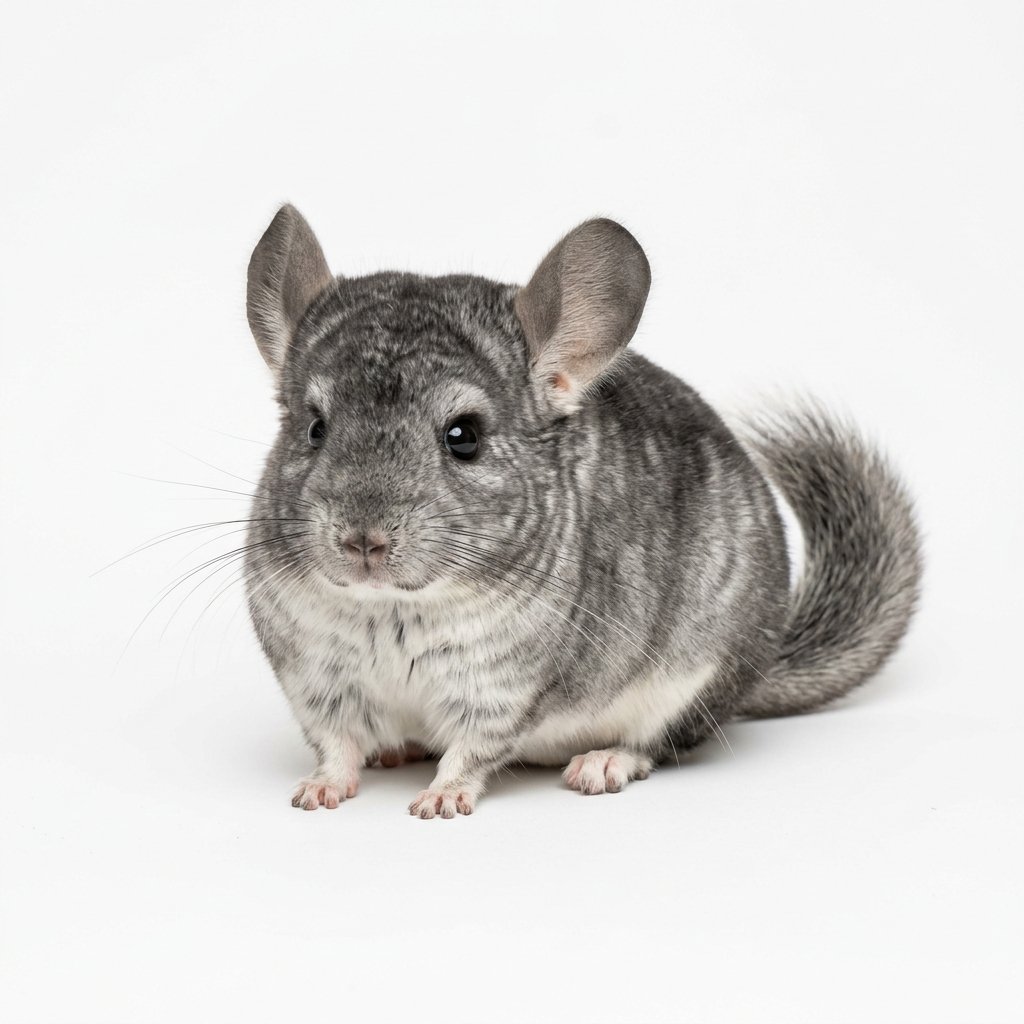

Related Grapes Topics for Chinchillas
The Expert Verdict
💡 Specific Prep Tip: Seeds are a major concern in a Chinchilla's diet. While some are harmless, others (like apple seeds) contain cyanide. Seeds also represent a mechanical choking hazard and can cause intestinal impactions in small species like Chinchillas. Always remove seeds unless specifically noted as safe.
💡 Specific Prep Tip: Seeds are a major concern in a Chinchilla's diet. While some are harmless, others (like apple seeds) contain cyanide. Seeds also represent a mechanical choking hazard and can cause intestinal impactions in small species like Chinchillas. Always remove seeds unless specifically noted as safe.
💡 Taking holistic care of your Chinchilla: Proper nutrition is just one part of keeping your pet healthy. Be sure to check the How Long Do Chinchillas Live? (Lifespan Guide) to understand their aging requirements, and read our comprehensive Chinchillas Symptoms Checker if you notice any sudden behavioral or physical changes.
How Their Bodies Use It
Because chinchillas are herbivores, their entire digestive system is built to process tough, fibrous plants. They rely on a complex gut to turn fiber into energy. When a chinchilla eats grapes, their body has to decide how to use those specific nutrients. Fruits like grapes are full of natural sugars (fructose). While some pets can handle this as a sweet treat, too much sugar can lead to weight gain or energy spikes that aren't natural for a chinchilla.
How to Serve It Safely
If you decide to give Grapes to your pet, here is the safest way to prepare it:
- Wash it very well to remove any dirt or sprays (pesticides) from the farm.
- Always remove the seeds and any stems. Seeds can be a choking hazard and some actually contain tiny amounts of toxins.
- Cut it into tiny, bite-sized pieces so your pet doesn't choke.
- Start with a tiny 'tester' piece to make sure it doesn't upset their stomach.
What to Watch Out For
Pro Tip: If your Chinchilla eats Grapes, you should watch closely for these signs: Tummy upset, diarrhea, or acting very lethargic.
Safe Snack Alternatives
If you're looking for a safer or more healthy option for your Chinchillas, try these:
Their Natural Diet
Chinchillas are naturally herbivores. This means they have a specific way of breaking down food, plants, and proteins. When we check if Chinchillas can eat Grapes, we look at how it affects their digestion and keeps their whole body healthy.
Common Questions About Chinchillas Nutrition
-
Why are grapes toxic to some pets?
The exact toxic compound is still under study, but grapes and raisins cause rapid kidney failure in dogs, cats, and ferrets. For other pets, the primary risk is high sugar content. -
Are raisins more dangerous than grapes?
Yes. Raisins are dehydrated grapes — the toxic concentration is far higher by weight. A single raisin can be fatal to a small dog. -
Can Chinchillas eat grape jelly or juice?
No. Any grape-derived product carries the same toxicity risk (for dogs/cats) or high sugar risk (for others). Jelly also contains dangerous additives. -
Is the skin of the grape safe for Chinchillas?
For dogs and cats, the skin is toxic. For other pets, it is safe but should be washed thoroughly to remove pesticides. -
What if my Chinchillas accidentally ate one grape?
If your pet is a dog, cat, or ferret, contact a vet immediately. For other pets, monitor for soft stools or bloating over the next 24 hours.
More Diet Guides for Chinchillas
- Can Chinchillas eat Apples?
- Can Chinchillas eat Almonds?
- Can Chinchillas eat Spinach?
- Can Chinchillas eat Chocolate?
- Can Chinchillas eat Carrots?
- Can Chinchillas eat Celery?
- Can Chinchillas eat Broccoli?
- Can Chinchillas eat Blueberries?
- Can Chinchillas eat Onions?
- Can Chinchillas eat Watermelon?
- Can Chinchillas eat Watermelon Rind?
- Can Chinchillas eat Cantaloupe?
Go Deeper: Full Chinchillas Nutrition Guide
Want to know more about the best food, safe snacks, and daily feeding routines for Chinchillas? Check out our comprehensive guide.
View Chinchillas Diet Guide 2026