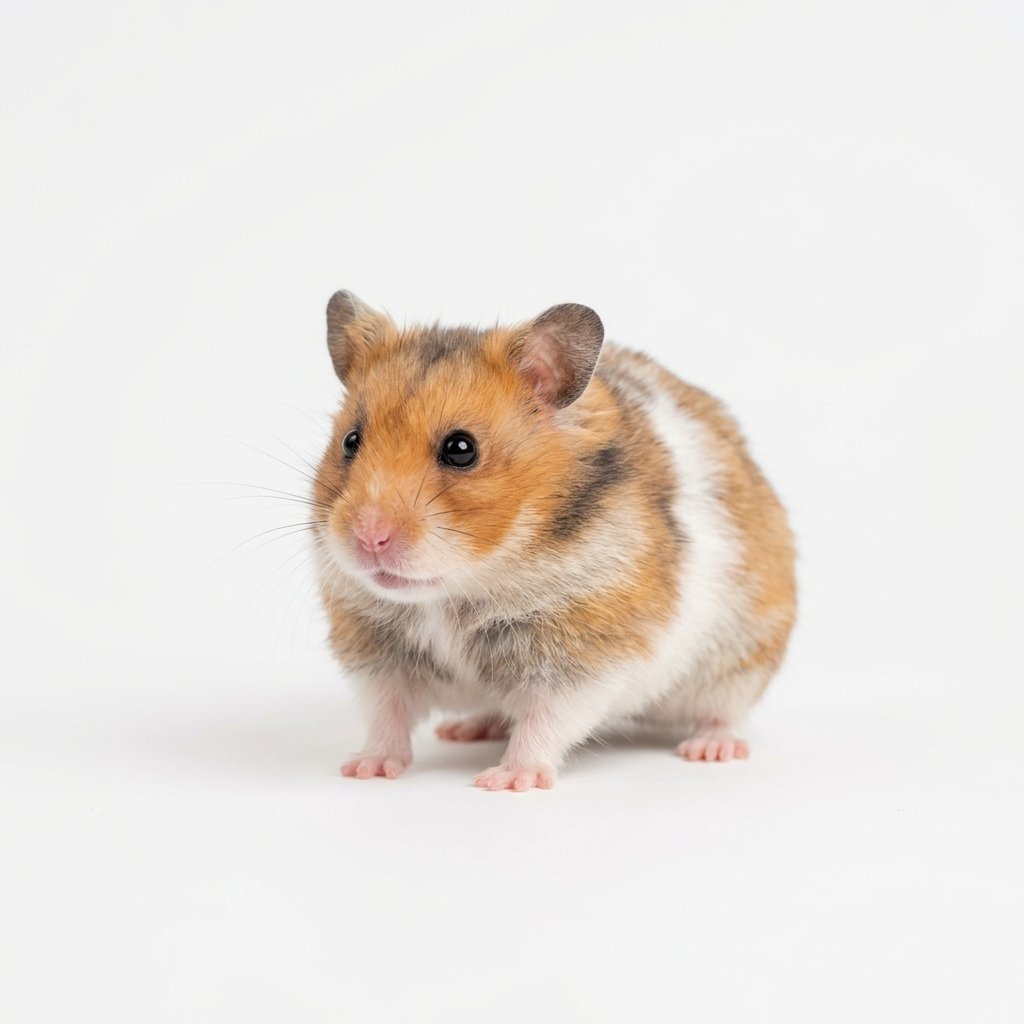
Related Cantaloupe Topics for Hamsters
The Expert Verdict
💡 Specific Prep Tip: Dried or dehydrated Cantaloupe is significantly more concentrated in sugar and calories than fresh Cantaloupe. When water is removed, the nutrients and sugars are concentrated. This makes it a high-energy treat that should be fed in much smaller quantities than fresh Cantaloupe. For diabetes-prone pets like dwarf hamsters or chinchillas, dried fruits are often considered high-risk.
🩺 Veterinarian Perspective
Cantaloupe is safe for Bearded Dragons but should be limited due to the sugar content. It is rich in Beta-Carotene which supports eye health and immune function.
💡 Specific Prep Tip: Dried or dehydrated Cantaloupe is significantly more concentrated in sugar and calories than fresh Cantaloupe. When water is removed, the nutrients and sugars are concentrated. This makes it a high-energy treat that should be fed in much smaller quantities than fresh Cantaloupe. For diabetes-prone pets like dwarf hamsters or chinchillas, dried fruits are often considered high-risk.
💡 Taking holistic care of your Hamster: Proper nutrition is just one part of keeping your pet healthy. Be sure to check the How Long Do Hamsters Live? (Lifespan Guide) to understand their aging requirements, and read our comprehensive Hamsters Symptoms Checker if you notice any sudden behavioral or physical changes.
What's Inside? (Healthy Stuff)
Knowing what's in Cantaloupe helps you keep your Hamster's diet balanced. Here are the main vitamins and minerals found in this food:
| Healthy Part | How it Helps Your Hamster |
|---|---|
| Vitamin A | Keeps your hamster's eyes sharp and their skin healthy. It's like a natural shield for their whole body. |
| Vitamin C | A powerful protector that helps your hamster fight off sickness. Unlike us, most pets rely entirely on their food to get this. |
| Potassium | Keeps your hamster's heart rhythm steady and helps their muscles work properly — especially the legs and heart. |
| Antioxidants | Fights the damaging "free radicals" inside your hamster's body, which helps slow down aging and prevent disease. |
| Beta-carotene | Your hamster's body converts this into Vitamin A. It's great for eye health, vibrant fur color, and immune strength. |
How Their Bodies Use It
As omnivores, hamsters have a flexible digestive system that can handle both meat and plant-based foods. This means their bodies are quite good at breaking down a variety of nutrients. When a hamster eats cantaloupe, their body has to decide how to use those specific nutrients. Fruits like cantaloupe are full of natural sugars (fructose). While some pets can handle this as a sweet treat, too much sugar can lead to weight gain or energy spikes that aren't natural for a hamster.
How to Serve It Safely
If you decide to give Cantaloupe to your pet, here is the safest way to prepare it:
- Wash it very well to remove any dirt or sprays (pesticides) from the farm.
- Always remove the seeds and any stems. Seeds can be a choking hazard and some actually contain tiny amounts of toxins.
- Cut it into tiny, bite-sized pieces so your pet doesn't choke.
- Start with a tiny 'tester' piece to make sure it doesn't upset their stomach.
What to Watch Out For
Pro Tip: Even though Cantaloupe is safe, every pet is an individual. The first time you offer it, watch for tummy upset (loose stools), acting tired, or not wanting to eat their normal food. If your Hamster seems 'off' for more than a few hours, it's best to give your vet a quick call.
Safe Snack Alternatives
If you're looking for a safer or more healthy option for your Hamsters, try these:
Their Natural Diet
Hamsters are naturally omnivores. This means they have a specific way of breaking down food, plants, and proteins. When we check if Hamsters can eat Cantaloupe, we look at how it affects their digestion and keeps their whole body healthy.
Common Questions About Hamsters Nutrition
-
Can Hamsters eat cantaloupe seeds?
No, remove seeds as they are a choking hazard and can cause blockages in the intestines. -
Is cantaloupe rind safe for Hamsters?
No. The rough rind is a major choking hazard, hard to digest, and its porous surface often traps bacteria like Salmonella even after washing. -
How much cantaloupe can Hamsters have?
One or two 1-inch cubes once or twice a week is plenty for most pets. -
Is cantaloupe safe for baby bearded dragons?
Yes, but in very small amounts (pea-sized) and only once a week. Babies need more protein from insects for growth.
More Diet Guides for Hamsters
- Can Hamsters eat Apples?
- Can Hamsters eat Almonds?
- Can Hamsters eat Spinach?
- Can Hamsters eat Chocolate?
- Can Hamsters eat Carrots?
- Can Hamsters eat Grapes?
- Can Hamsters eat Celery?
- Can Hamsters eat Broccoli?
- Can Hamsters eat Blueberries?
- Can Hamsters eat Onions?
- Can Hamsters eat Watermelon?
- Can Hamsters eat Watermelon Rind?
Go Deeper: Full Hamsters Nutrition Guide
Want to know more about the best food, safe snacks, and daily feeding routines for Hamsters? Check out our comprehensive guide.
View Hamsters Diet Guide 2026Can other pets eat Cantaloupe?
- Can Gerbils eat Cantaloupe?
- Can Chinchillas eat Cantaloupe?
- Can Rabbits eat Cantaloupe?
- Can Guinea Pigs eat Cantaloupe?
- Can Rats eat Cantaloupe?
- Can Mice eat Cantaloupe?
- Can Dogs eat Cantaloupe?
- Can Cats eat Cantaloupe?
- Can Parrots eat Cantaloupe?
- Can Cockatiels eat Cantaloupe?
- Can Tortoises eat Cantaloupe?
- Can Bearded Dragons eat Cantaloupe?
