Related Onions Topics for Mice
The Expert Verdict
💡 Specific Prep Tip: Cooking Onions changes its molecular structure. While it makes starches easier to digest for some, it also removes vital moisture and vitamins. Important: If cooking Onions for your Mouse, never use oils, butter, salt, or spices. Plain steamed is the only safe method.
🩺 Veterinarian Perspective
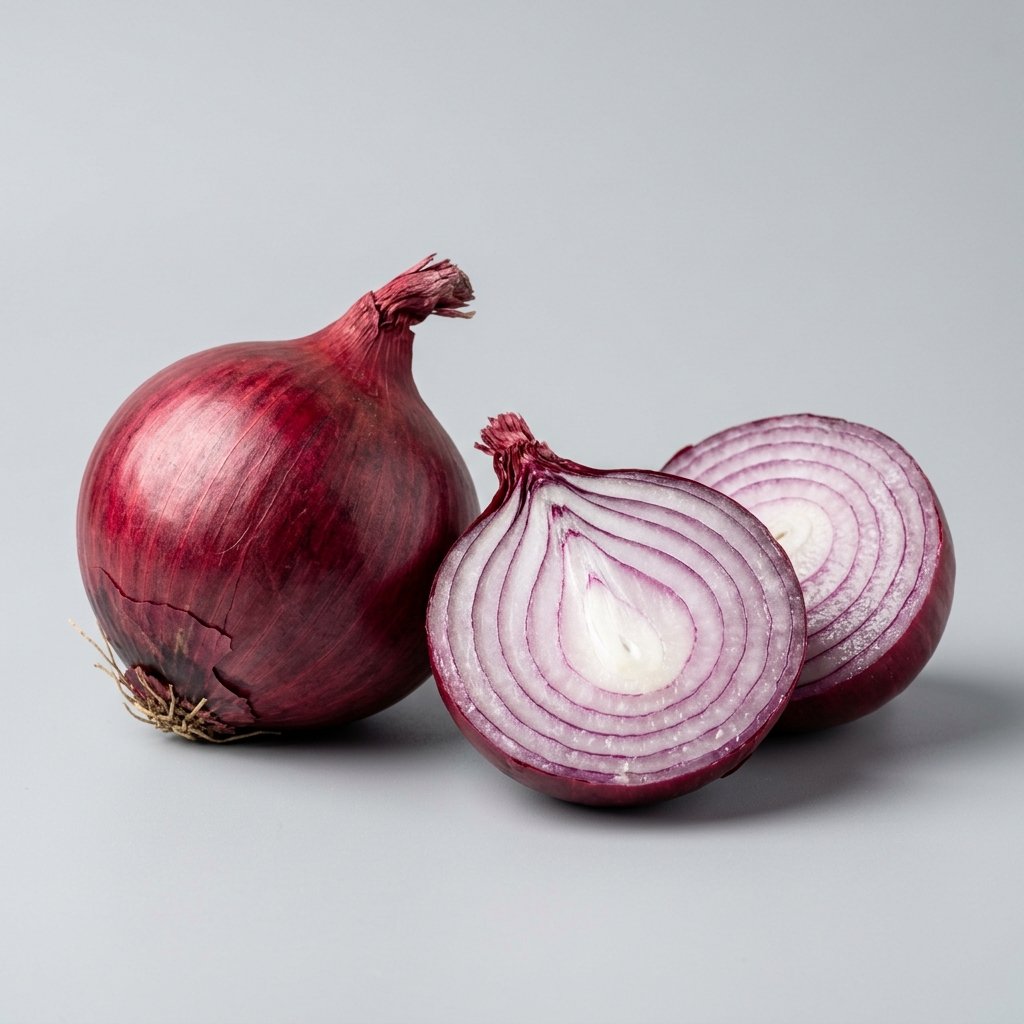
All members of the allium family (onions, garlic, leeks) contain N-propyl disulfide. Small pets like mice and rats are extremely vulnerable due to their high metabolic rate; even small amounts can be fatal.
💡 Specific Prep Tip: Cooking Onions changes its molecular structure. While it makes starches easier to digest for some, it also removes vital moisture and vitamins. Important: If cooking Onions for your Mouse, never use oils, butter, salt, or spices. Plain steamed is the only safe method.
💡 Taking holistic care of your Mouse: Proper nutrition is just one part of keeping your pet healthy. Be sure to check the How Long Do Mice Live? (Lifespan Guide) to understand their aging requirements, and read our comprehensive Mice Symptoms Checker if you notice any sudden behavioral or physical changes.
How Their Bodies Use It
As omnivores, mice have a flexible digestive system that can handle both meat and plant-based foods. This means their bodies are quite good at breaking down a variety of nutrients. When a mouse eats onions, their body has to decide how to use those specific nutrients. Vegetables like onions provide 'roughage' or fiber. For many small pets, this fiber is vital for keeping their tummy moving and healthy. However, some veggies have specific minerals (like calcium or oxalates) that need to be limited to prevent bladder or kidney issues.
How to Serve It Safely
If you decide to give Onions to your pet, here is the safest way to prepare it:
- Wash it very well to remove any dirt or sprays (pesticides) from the farm.
- Start with a tiny 'tester' piece to make sure it doesn't upset their stomach.
What to Watch Out For
Pro Tip: If your Mouse eats Onions, you should watch closely for these signs: Severe breathing trouble, seizures, or collapsing. This is a major emergency—please get to an animal hospital immediately..
Safe Snack Alternatives
If you're looking for a safer or more healthy option for your Mice, try these:
Their Natural Diet
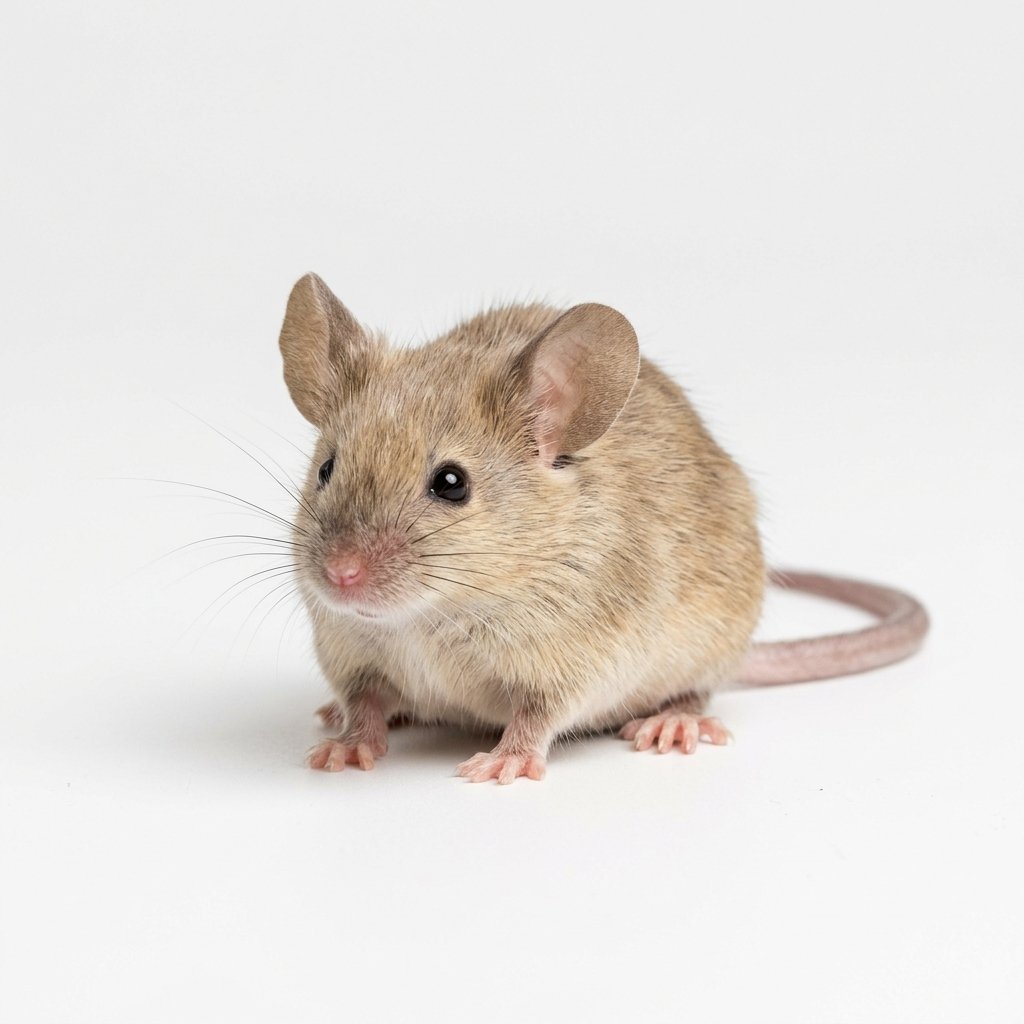
Mice are naturally omnivores. This means they have a specific way of breaking down food, plants, and proteins. When we check if Mice can eat Onions, we look at how it affects their digestion and keeps their whole body healthy.
Common Questions About Mice Nutrition
-
Is cooked onion safer for Mice?
No. Cooking does not neutralize N-propyl disulfide. All forms of onion, including fried or boiled, remain dangerously toxic. -
Is garlic as dangerous as onion for Mice?
Garlic is actually 5× more potent than onion per gram. The entire allium family (leeks, chives, shallots) must be strictly avoided. -
What are signs of onion poisoning in Mice?
Lethargy, pale or yellowish gums (jaundice), weakness, rapid heart rate, and dark/reddish urine. Seek veterinary care immediately. -
Can Mice have food seasoned with onion powder?
Absolutely not. Onion powder is a concentrated form of the toxin and is often hidden in baby foods or broth. Always check labels. -
What if my Mice accidentally ate a tiny piece of onion?
Even cooked onions are toxic. While a tiny crumb might not be fatal for a larger dog, monitor small pets for lethargy, pale gums, or dark urine, and consult a vet immediately.
More Diet Guides for Mice
Go Deeper: Full Mice Nutrition Guide
Want to know more about the best food, safe snacks, and daily feeding routines for Mice? Check out our comprehensive guide.
View Mice Diet Guide 2026Can other pets eat Onions?
- Can Hamsters eat Onions?
- Can Gerbils eat Onions?
- Can Chinchillas eat Onions?
- Can Rabbits eat Onions?
- Can Guinea Pigs eat Onions?
- Can Rats eat Onions?
- Can Dogs eat Onions?
- Can Cats eat Onions?
- Can Parrots eat Onions?
- Can Cockatiels eat Onions?
- Can Tortoises eat Onions?
- Can Bearded Dragons eat Onions?
