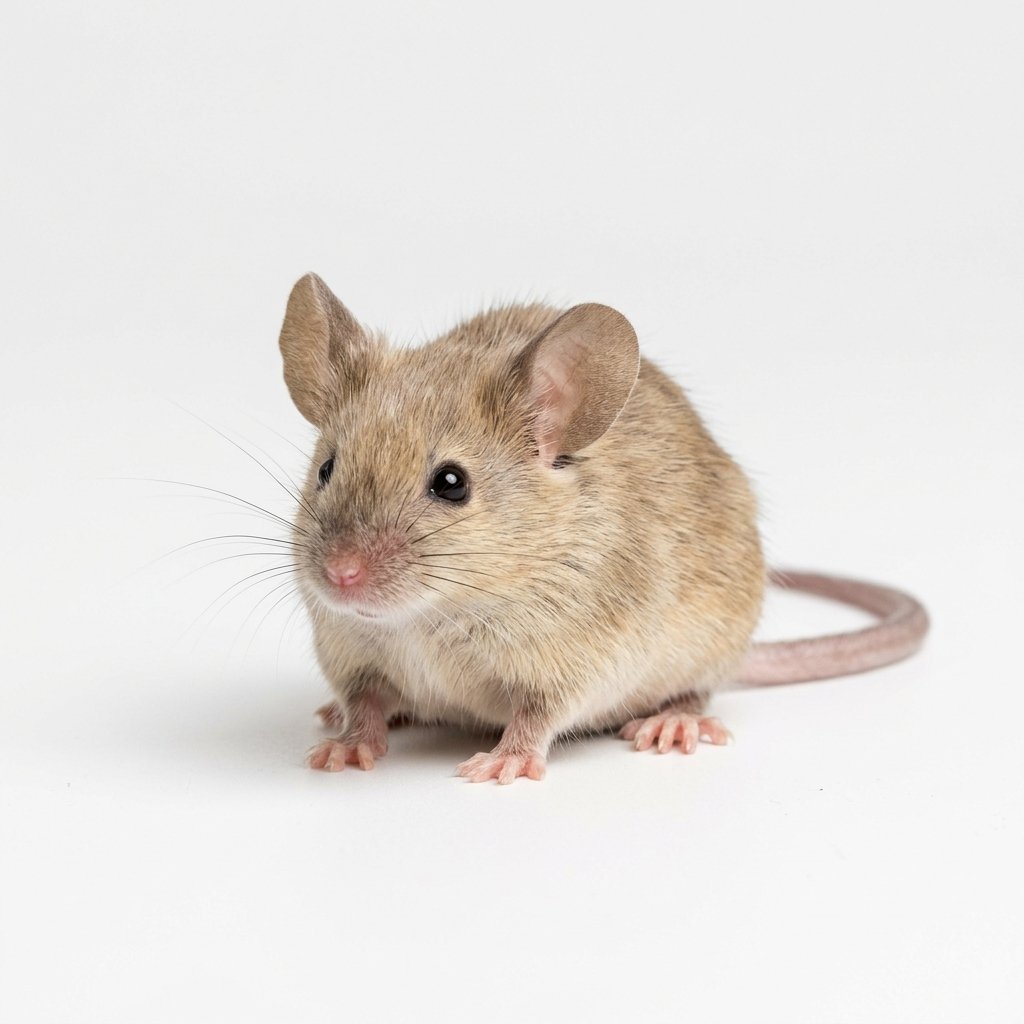

Related Honey Topics for Mice
🚨 Emergency Checklist
If your Mouse has just eaten Honey and is showing distress, follow these steps:
- Remove any remaining food from their mouth/enclosure.
- Check for difficulty breathing or seizures.
- Call your avian/exotic vet or a Pet Poison Helpline immediately.
- Keep the packaging or a sample of what they ate.
The Expert Verdict
If your mouse has consumed honey, this should be treated as an urgent situation. Watch them closely for signs of poisoning, lethargy, or heavy breathing. Offer clean water immediately, remove any remaining food pieces from their cage, and call your exotic animal veterinarian to check if they need emergency clinical support.
🩺 Veterinarian Perspective
Raw honey should never be given to any pet due to botulinum spore risk. Pasteurized honey is safer but still very high in sugar. For most small mammals, their digestive systems are not adapted to handle free sugars of this concentration. Any amount more than a tiny lick is considered excessive.
💡 Taking holistic care of your Mouse: Proper nutrition is just one part of keeping your pet healthy. Be sure to check the How Long Do Mice Live? (Lifespan Guide) to understand their aging requirements, and read our comprehensive Mice Symptoms Checker if you notice any sudden behavioral or physical changes.
What's Inside? (Healthy Stuff)
Knowing what's in Honey helps you keep your Mouse's diet balanced. Here are the main vitamins and minerals found in this food:
| Healthy Part | How it Helps Your Mouse |
|---|---|
| Antioxidants | Fights the damaging "free radicals" inside your mouse's body, which helps slow down aging and prevent disease. |
| Antibacterial compounds | Antibacterial compounds supports your mouse's overall health and helps their body function at its best each day. |
How Their Bodies Use It
As omnivores, mice have a flexible digestive system that can handle both meat and plant-based foods. This means their bodies are quite good at breaking down a variety of nutrients. When a mouse eats honey, their body has to decide how to use those specific nutrients.
How to Serve It Safely
If you decide to give Honey to your pet, here is the safest way to prepare it:
- Wash it very well to remove any dirt or sprays (pesticides) from the farm.
- Start with a tiny 'tester' piece to make sure it doesn't upset their stomach.
What to Watch Out For
Pro Tip: If your Mouse eats Honey, you should watch closely for these signs: Tummy upset, diarrhea, or acting very lethargic.
Their Natural Diet
Mice are naturally omnivores. This means they have a specific way of breaking down food, plants, and proteins. When we check if Mice can eat Honey, we look at how it affects their digestion and keeps their whole body healthy.
Common Questions About Mice Nutrition
-
Is manuka honey safe for Mice?
Manuka honey has strong antibacterial properties but is even more concentrated in sugar than regular honey. The same cautions apply — it should not be fed routinely to pets. -
Can Mice eat honey as medicine for a cough?
While honey has mild antibacterial properties in humans, it is not appropriate as a home remedy for respiratory issues in pets. If your pet is coughing or has a respiratory problem, please consult a vet rather than trying honey. -
What is safer than honey for Mice as a sweet treat?
Fresh fruit like blueberries, raspberries, or small pieces of watermelon are much safer sweet treat options that contain natural sugars balanced by fiber, vitamins, and water content. -
Can Mice eat honeycomb?
No. Honeycomb contains beeswax which is indigestible for most pets, and the honey within is even more concentrated than jarred honey. Avoid it entirely.
More Diet Guides for Mice
Go Deeper: Full Mice Nutrition Guide
Want to know more about the best food, safe snacks, and daily feeding routines for Mice? Check out our comprehensive guide.
View Mice Diet Guide 2026